


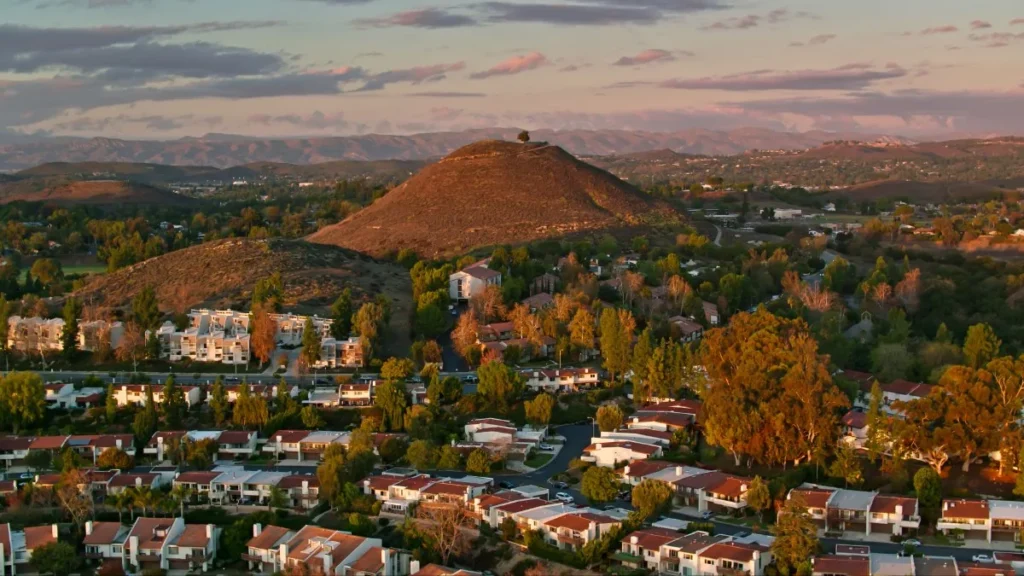
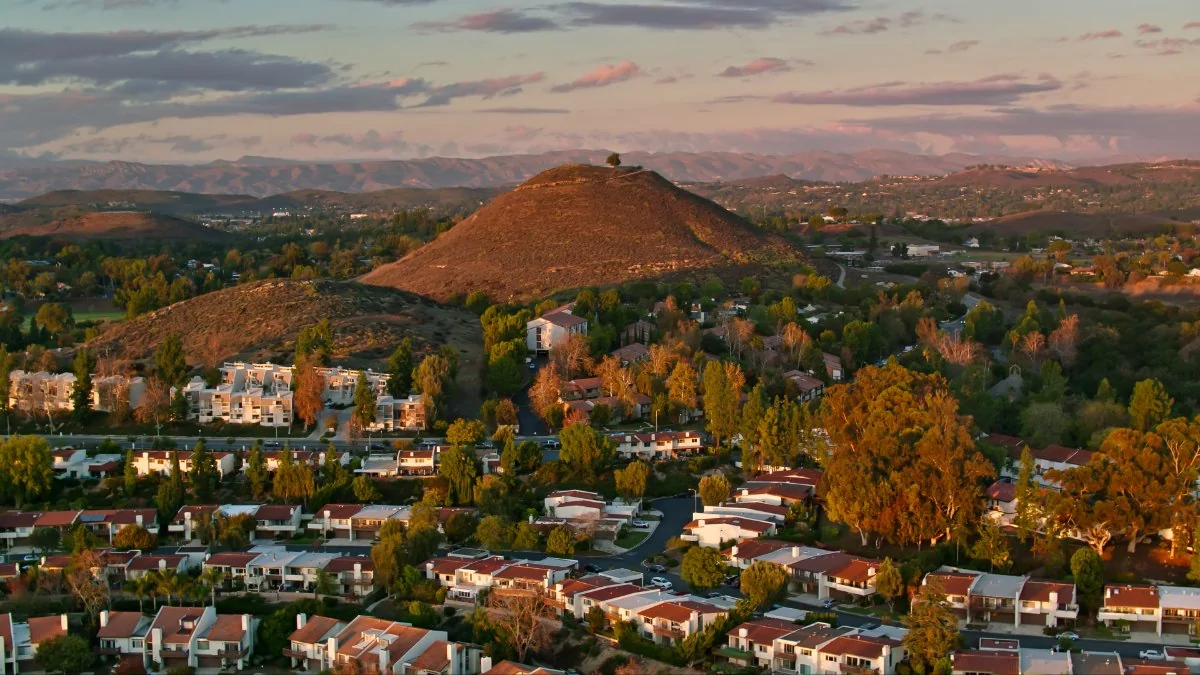

Over the last few years, affluent buyers have been rethinking what luxury living in Southern California really means, with many moving away from Los Angeles’s frenetic buzz in favor of another place that’s more grounded and more livable.
Enter Conejo Valley: a region that trades traffic for trailheads and urban clutter for calm, all while offering the kind of design-forward homes, privacy, and everyday ease that today’s buyers are prioritizing more and more.
If you’re eyeing homes for sale in Conejo Valley, continue reading, as we lay out all the reasons to make this slice of Southern California your new home.
Table of Contents:
- Where Conejo Valley is Located
- Conejo Valley Real Estate Market Snapshot
- Top Areas to Find Homes for Sale in Conejo Valley
- Lifestyle Pillars That are Driving Demand from Luxury Buyers
- How Discerning Buyers Snag the Best Homes for Sale in Conejo Valley
- Frequently Asked Questions About Conejo Valley, CA
- Find Your Dream Conejo Valley Home with Deb Kernahan
Where Conejo Valley is Located
Located about 30 miles northwest of downtown Los Angeles, Conejo Valley is divided between Ventura and Los Angeles counties. This split influences local taxes and services, with Thousand Oaks mostly in Ventura County and Westlake Village and Agoura Hills overlapping both counties.
Don’t let the quiet atmosphere fool you though. Conejo Valley is far from remote. The U.S. Route 101 corridor, for instance, runs through its heart, linking residents to major employment hubs in Thousand Oaks, the San Fernando Valley’s studio zones, and Westside Los Angeles.
Weekend escapes are also easy to do. Malibu’s beaches are less than 30 minutes away, while the Santa Monica Mountains, boutique vineyards, and Santa Barbara wine country are all a short drive away.
Conejo Valley Real Estate Market Snapshot
Conejo Valley has become one of Southern California’s most desirable locations. But before making any moves, it’s important to know what kind of real estate market you’re buying into. Here’s the gist:
- The market is often competitive. Conejo Valley has one of the most competitive markets in Southern California due to its relatively limited inventory and high demand. For instance, listings are averaging around 50-60 days on market, and sellers usually have their homes under contract within seven to eight weeks.
- Home architecture in Conejo Valley takes advantage of year-round connection to the outdoors. Mediterranean and Spanish Colonial Revival homes anchor the local aesthetic, paired with modern ranch designs that emphasize open layouts and natural light. Meanwhile, contemporary and farmhouse styles add a bit more variety. In addition, buyers typically prioritize privacy, large lots, and views that showcase the valley’s scenery.
- Conejo Valley offers different ways to live out your best life. Gated neighborhoods like The Colony or Sherwood Country Club provide concierge-style living — think private golf, manned gates, and well-tended streetscapes that feel like their own
self-contained villages. Outside the gates, you’ll find sprawling estates tucked into the foothills where wild oak trees outnumber your neighbors. Whether buyers seek a sense of order or a bit more untamed charm, both lifestyles thrive in Conejo Valley’s calmer pace.


Top Areas to Find Homes for Sale in Conejo Valley
The Conejo Valley region encompasses the cities of Thousand Oaks, Westlake Village, and Agoura Hills, along with nearby communities and unincorporated areas such as Oak Park, Lake Sherwood, and Newbury Park — all set against the scenic backdrop of the Santa Monica Mountains.
However, it’s these three cities that most people refer to when they talk about Conejo Valley real estate.
Thousand Oaks
Thousand Oaks is the family-friendly anchor of Conejo Valley. It’s known for top-rated public schools, green space, and suburban calm. California Lutheran University adds a touch of academic character, while its housing stock ranges from mid-century ranches to cul-de-sac new builds. It’s a commuter-friendly city that trades flash for long-term livability.
Ideal for: Families and professionals seeking stability, school access, and a quiet return on investment.
Westlake Village
Located along the eastern side of the 101, Westlake Village delivers curated, country club living wrapped around a lake. Built as a master-planned enclave, it’s polished and private. Solar-equipped estates back onto golf courses and weekends are spent on the water or at the spa. For buyers after hassle-free luxury, few places are as turnkey.
Ideal for: Executives, retirees, and second-home buyers looking for refined amenities in a controlled setting.
Agoura Hills
Agoura Hills channels Conejo Valley’s wilder side. Its hillside homes and trail-laced neighborhoods draw buyers who value space, views, and a low-key lifestyle. Though close to the coast and city centers, it leans small-town and more saddle than suit.
Ideal for: Creative professionals, nature lovers, and families craving breathing room.
Lifestyle Pillars That are Driving Demand from Luxury Buyers
As more luxury buyers pour in, here’s what’s shaping buyer demand across the Conejo Valley region.
Open Space and Outdoor Living
Conejo Valley’s natural backdrop of rolling hills, oak groves, and mountain preserves sets the tone for daily life. Homes often back onto open space, with outdoor areas like terraces, kitchens, and pools designed for year-round use. The Mediterranean climate makes it easy to live outdoors, while access to hiking, equestrian trails, and private clubs like Sherwood and North Ranch transforms recreation into a lifestyle. This connection to nature, both visual and physical, remains a top draw for high-end buyers.
Dining, Boutique Retail, and Wellness Culture
The region’s appeal extends beyond scenery. Conejo Valley offers a thoughtful blend of elevated dining, independent retail, and a growing wellness scene.
The Promenade at Westlake Village brings together wine bars, boutiques, and fine dining in a walkable setting, while Agoura Hills adds a more artisanal, creative edge. Wellness is weaved into everyday life, with country clubs and boutique studios offering everything from yoga to spa services — blending leisure and health in ways that resonate with discerning buyers.
Cleanliness and Community Programming
Conejo Valley’s polish shows in its public spaces: manicured streets, landscaped parks, and a visible pride of place. Farmers markets in Westlake Village and Thousand Oaks foster local connection and sustainable habits. Meanwhile, community-driven arts and events (many organized by the Arts Council of the Conejo Valley) add cultural depth. These small but meaningful details reinforce the region’s value as a long-term home, particularly for buyers who prioritize both lifestyle quality and neighborhood engagement.


How Discerning Buyers Snag the Best Homes for Sale in Conejo Valley
From understanding neighborhood nuances, anticipating potential issues, and leveraging local expertise, here are some tips on how you can successfully get your dream Conejo Valley home.
Preparation is Key
Before making an offer, top buyers focus on minimizing risk and maximizing negotiating power. This means knowing a property inside and out and addressing potential obstacles upfront.
That’s why it’s crucial to:
- Schedule a professional inspection before signing a contract to uncover any structural or mechanical issues, allowing you to negotiate repairs or price adjustments without being tied to the deal.
- Obtain homeowners insurance quotes early, particularly given the region’s wildfire exposure, to avoid delays or unexpected coverage gaps during closing.
- Plan for fire mitigation with measures like defensible landscaping, fire-resistant roofing, and strategic maintenance to enhance both safety and long-term value.
Explore Off-Market Listings
With many of the most desirable homes never publicly listed, buyers who pursue off-market deals gain a significant edge. Success here relies on combining insider access with strategic offers. Here’s how to best approach private listings:
- Work with agents who maintain deep local networks to uncover “pocket listings” before they appear on the MLS, giving you a head start on coveted homes.
- Strengthen your bid with flexible terms, such as partial cash arrangements or bridge loans, to show sellers you’re ready to commit without a lot of contingencies.
- Align closing timelines and offer conditions with seller preferences to stand out in a competitive market, especially in Conejo Valley’s three cities.
Work With Other Local Professionals
Navigating the Conejo Valley market successfully requires timely local insight on aspects like zoning, wildfire risk, and more. Hence:
- Choose lenders experienced with regional pricing trends and financing options to secure tailored loans and faster approvals.
- Hire inspectors who understand area-specific building codes and common property issues to ensure thorough evaluations.
- Partner with brokers who can give you peace of mind, securing the right coverage for wildfire and other local risks at competitive rates.
Frequently Asked Questions About Conejo Valley, CA
These are some of the most commonly asked questions about Conejo Valley real estate.
-
How far is the Conejo Valley from Malibu and the Westside?
Conejo Valley is about an hour north of downtown Los Angeles, 45 minutes south of Santa Barbara, and roughly 30 minutes east of Malibu. On a light-traffic day, Malibu is only 20 minutes away, while central Los Angeles is about 40 minutes away, making both weekend escapes to the coast and weekday commutes manageable.
-
What architectural styles and lot sizes are most common?
Conejo Valley features a mix of classic and contemporary Southern California styles. Ranch homes are a popular option, offering single-story layouts, open floor plans, and indoor-outdoor living. Spanish and Mediterranean Revival homes, with stucco exteriors, red-tiled roofs, and inner courtyards, are also popular.
Contemporary and modern designs, often custom-built, emphasize clean lines and open interiors, while Craftsman and traditional Colonial homes provide character and timeless appeal. When it comes to lot sizes, single-family homes typically sit on 7,000–10,000 square-foot parcels, while estates and hillside properties may sit on lots that exceed half an acre, allowing them to accommodate pools, landscaping, or even equestrian facilities.
-
Are there gated communities, and what do HOA fees cover?
Gated communities are common, including The Colony in Westlake Village and Chanteclair Estates in Thousand Oaks. HOA fees usually cover landscaping, common-area maintenance, pools, clubhouses, and insurance for shared structures. Some also include utilities, property management, and reserve funds, helping reduce personal upkeep.
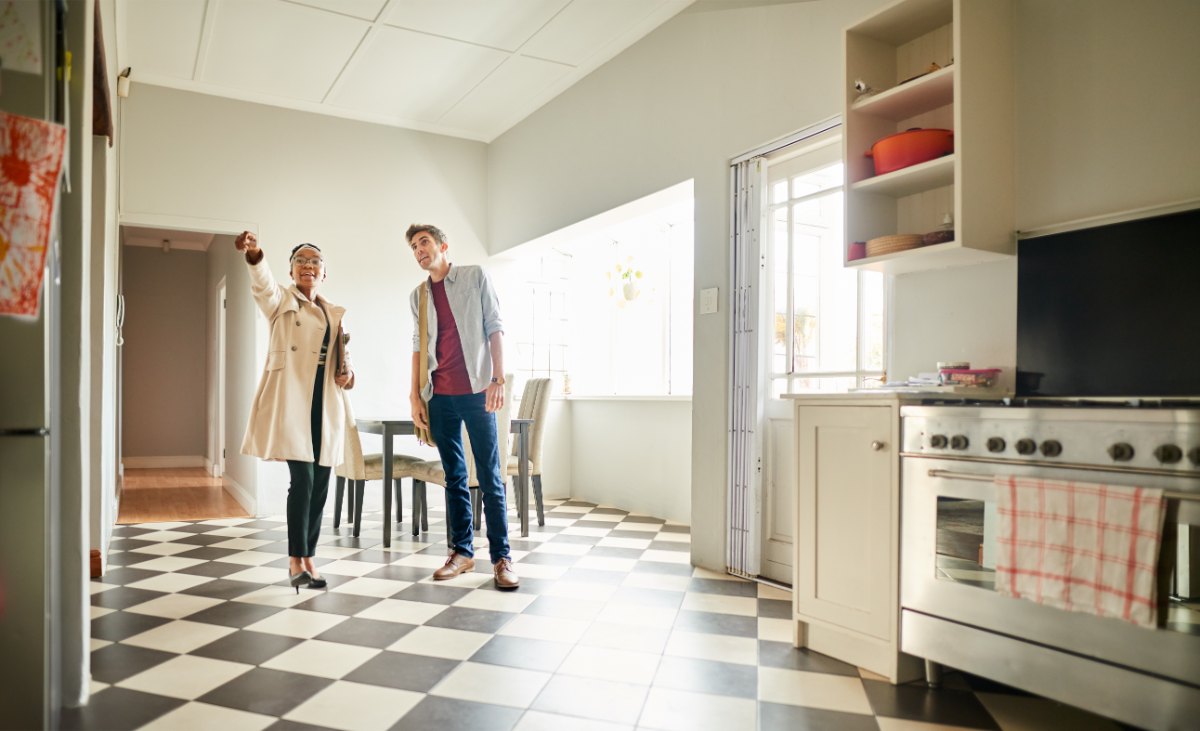
Getting a foothold in Conejo Valley real estate takes more than desire. Thoughtful planning and trusted guidance will help you navigate the market. -
How competitive is the luxury segment of the market right now?
While the luxury segment remains in high demand (especially in desirable enclaves), the frenzy of the past is receding. Sellers now need to pay closer attention to accurate pricing and presentation. In other words, buyers now have more leverage than they did in the pandemic-fueled boom of 2021–2022.
So far in 2025, inventory has climbed significantly (e.g., active listings in the Valley jumped from 427 in June 2024 to about 602 in June 2025 — a 41% increase). Homes for sale in Conejo Valley are staying on the market longer (50-60 days on average) and price reductions are more common.
-
Can you build a custom home here and what are the zoning considerations?
Yes, custom homebuilding is possible across parts of Conejo Valley, particularly in Agoura Hills and the unincorporated foothills where larger lots are more common.
In Thousand Oaks, for instance, the Ventura County Non-Coastal Zoning Ordinance regulates grading, height limits, and view preservation for homes built on sloped lots. You’ll also need to consider wildfire mitigation standards and tree protection ordinances, which are strictly enforced. Because zoning can vary block by block — and straddle county lines in some areas — working with a local architect and builder is key to navigating approvals smoothly.
-
When is the best time to buy a home?
Fall and winter generally bring fewer competing buyers, making negotiation easier, while spring and summer see higher activity and faster sales. However, given the competitive nature of Conejo Valley’s housing market, the best approach is to purchase when you’re financially ready, rather than waiting around for the “perfect” window.
-
What are the best schools that serve the Conejo Valley?
The Conejo Valley Unified School District consistently ranks among California’s top districts. For high schoolers, Century Academy, Thousand Oaks High, and Westlake High are highly regarded, while Sycamore Canyon, Sequoia, and Colina middle schools are known for academic rigor and student support.
Elementary school options such as Banyan, Weathersfield, Westlake Hills, Aspen, and Lang Ranch offer strong foundational programs.
-
What wildfire and home-insurance considerations should homebuyers in the Conejo Valley plan for?
Much of Conejo Valley falls in high to very high fire zones, which means homeowners should account for fire-resistant upgrades and potentially higher insurance premiums. The California FAIR Plan can provide coverage when traditional policies are unavailable. Consultation with local agents in the area can make your decision process easier.
-
Are short-term rentals allowed in the Conejo Valley?
Yes, short-term rentals are permitted but require a county-issued permit and compliance with local municipal rules, which naturally vary. Prospective owners should verify regulations with the specific municipality before purchasing.
-
10. What’s the property tax picture across the LA/Ventura county line for comparable homes?
Thanks to Proposition 13, the base property tax rate is capped at 1% across both counties. Slight variations from voter-approved local assessments result in effective rates generally between 1.1% and 1.3%, keeping the tax picture relatively consistent. Ventura County’s median annual bill is around $5,326, while Los Angeles County’s is approximately $5,438 for comparable properties.

Find Your Dream Conejo Valley Home with Deb Kernahan
From the rolling hills of Thousand Oaks to the lakeside sophistication of Westlake Village and the serene landscapes of Agoura Hills, Conejo Valley offers a home for every lifestyle.
Want to make this slice of Southern California your new home? I’m Deb Kernahan, and for more than 30 years, I’ve helped buyers navigate this market with confidence, matching them with homes that suit their lifestyle and aspirations.
Explore the valley’s finest homes with ease. Call 818.519.8357 or send an email to start a hassle-free search today.